
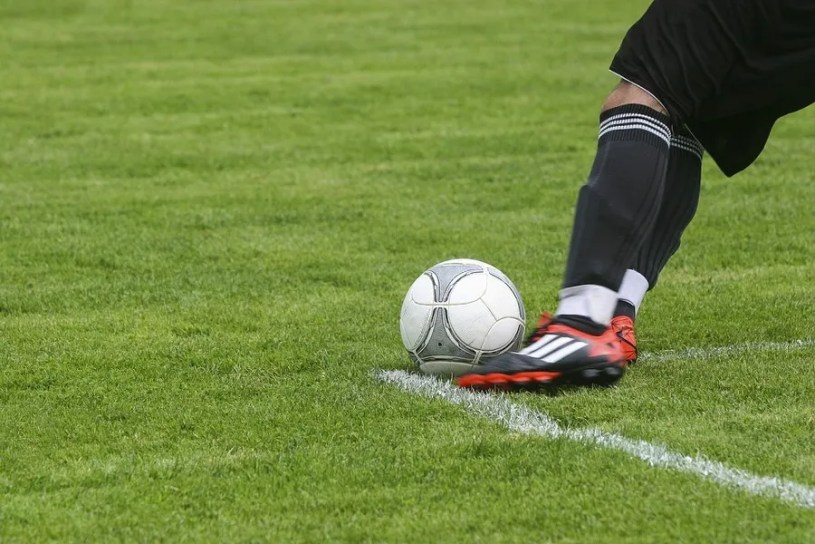
A football pitch that looks green from the sidelines can still be dangerous to play on. Surface hardness, uneven turf, and worn-out zones around the goal mouth are not always visible from a distance, but they are exactly where non-contact injuries tend to happen.
Maintenance schedules built around player safety, not just appearance, tend to focus on a different set of details than a purely cosmetic mowing routine.
Why High-Wear Zones Need Extra Attention
Goal areas, the centre circle, and touchlines take disproportionate wear compared to the rest of a pitch, since play concentrates there more than anywhere else. Left unaddressed, these zones compact and thin out faster than the surrounding turf, creating uneven footing exactly where players are most likely to plant a foot hard or change direction quickly. Regular field maintenance treats these zones on their own cycle rather than the same schedule as the rest of the field.
Consistency Matters as Much as Condition
A pitch with patches of dense turf next to patches of compacted, thin turf is arguably more dangerous than a pitch that is uniformly average, because players adjust their footing based on what they expect underfoot and a sudden change in surface catches them off guard. Aeration, top dressing, and consistent mowing height all work toward evening out that variation across the whole surface.
What a Maintenance Schedule Typically Involves
A well-run natural grass pitch is typically mowed two to three times a week, fertilised roughly every four to six weeks, and aerated two to three times a year, with high-wear zones restored more frequently on top of that base schedule. Professional field maintenance also includes soil analysis to catch drainage or compaction problems before they show up as visible surface damage.
Natural grass pitches maintained to this standard typically run somewhere between $30,000 and $50,000 a year in Singapore, more for premium or heavily used fields, while artificial surfaces cost less to maintain but still need regular attention to stay safe. Field maintenance services built around player safety, not just field appearance, are worth the difference in cost.

